Day 1: Base Camp and the Question of Context
Arriving at the lowland dipterocarp station near 4°58′N, 117°48′E sets a specific operational reality. Notebook paper remains limp through the evening hours under the unbroken canopy humidity. How can we accurately delimit species in hyperdiverse ecosystems when the physical context of the plant is stripped away in a sequencing lab?
The current academic reliance on molecular phylogenetics frequently sidelines classical morphological observation. Approaching species delimitation as a context problem establishes a stronger foundation for collecting priorities. Field taxonomy anchors the genomic data to a physical reality that a sequencer cannot perceive.
Day 3: The Canopy's Context and Phenotypic Plasticity
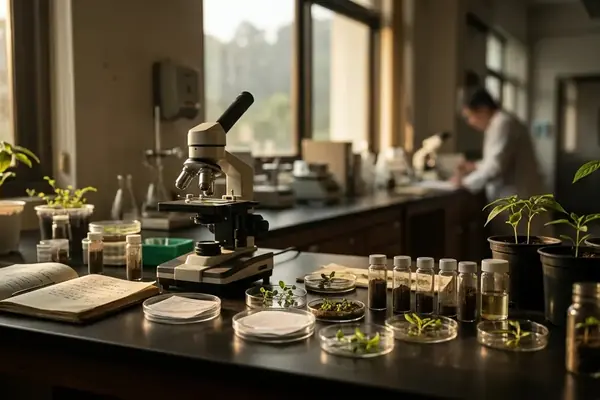
Understory transects reveal how light availability drastically alters leaf morphology within the same species. During these transects, pole-pruner cuts at 8–12 m allow fresh lamina and flush color to be logged within 10–15 minutes of severing. Each genet scored for its light environment receives an immediate morphological card before any subsample leaves the site. This binds niche notes directly to the living plant.
Omitting these light-environment notes leads to a known failure case where barcode-identical canopy and shade leaves are bulked as one species. Field observation explains the morphological divergence that purely molecular approaches miss. Joint work under the Netherlands Ministry of Foreign Affairs tropical forestry initiatives established these proven baseline documentation standards. Standard field protocols require documenting the ecological niche to provide scope and limits to genomic data.
Securing Niche Context Binding ecological data to the physical specimen prevents downstream taxonomic merging errors.
Day 7: Ephemeral Traits and the Limits of Silica
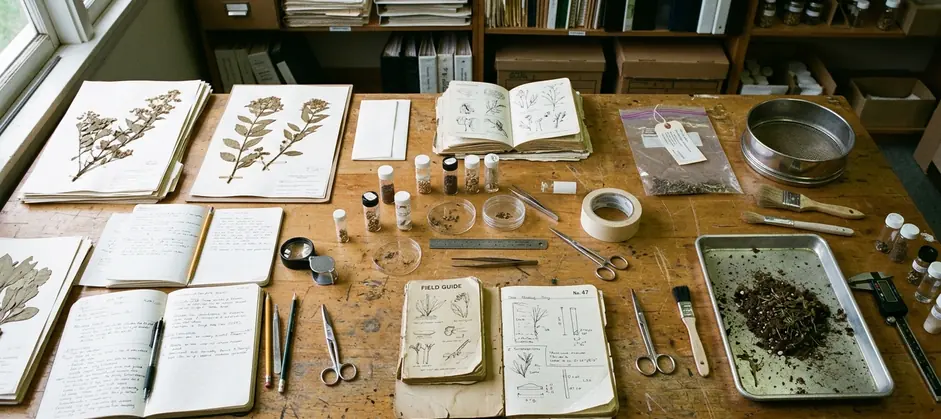
A torrential downpour interval logged at about 2–3.5 hours provides necessary time for bench work under the tarpaulin. Silica-dried tissue is optimal for DNA extraction. The desiccation process destroys crucial taxonomic data—information that cannot be recovered later. Latex colour and floral scent are unrecoverable once tissue has been silica-dried or fully pressed.
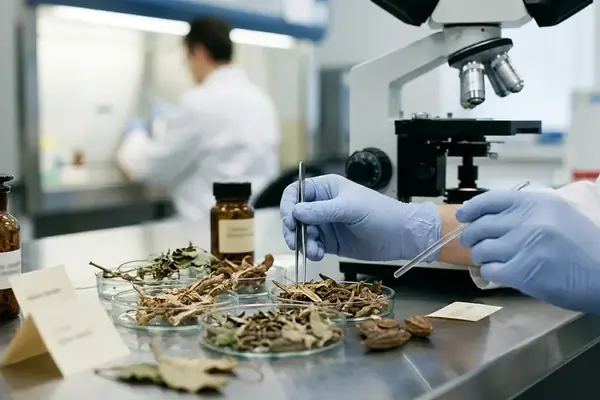
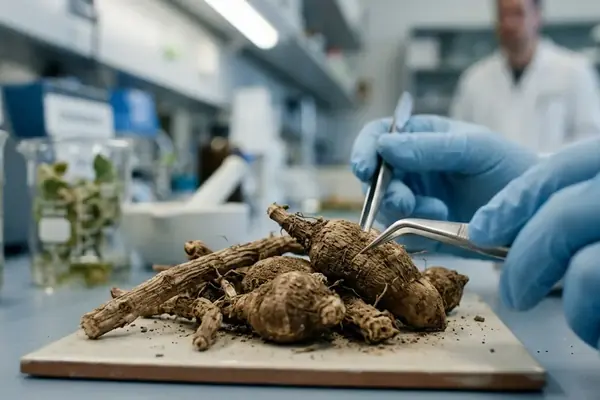
Processing order must be fixed so floral scent, latex exudate colour, and corolla architecture are written into the field book before any leaf fragment enters silica. Silica packets are filled only after morphological scoring closes. Molecular phylogenetics relies on the initial, accurate identification of the voucher specimen. That identification requires these ephemeral traits to be recorded while the plant is fresh.
Day 12: Reconciling the Voucher with the Sequence
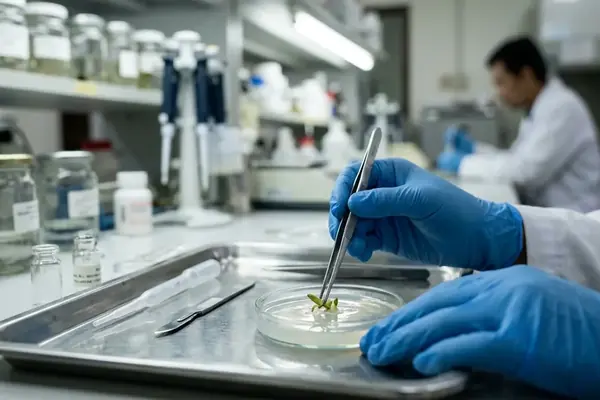
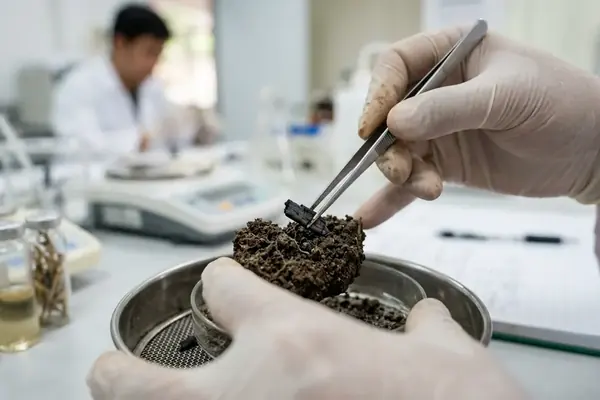
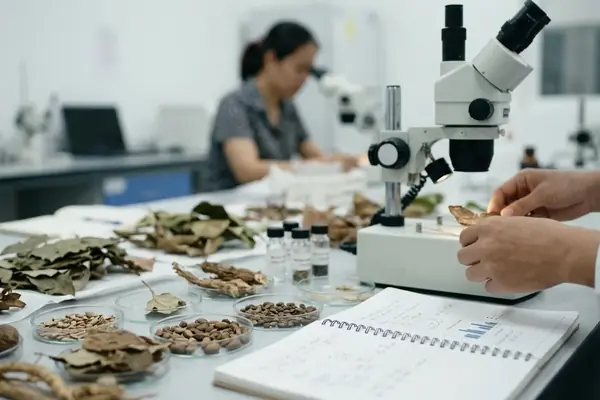
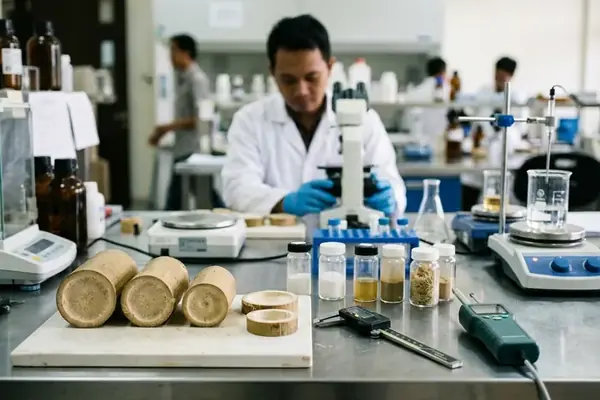
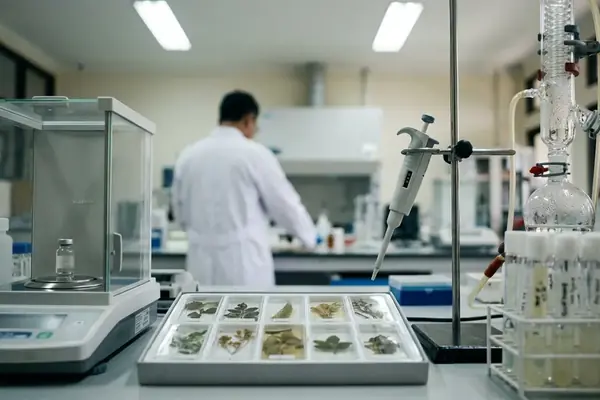
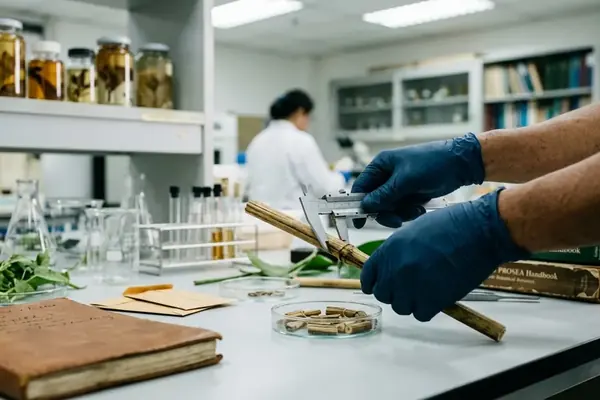
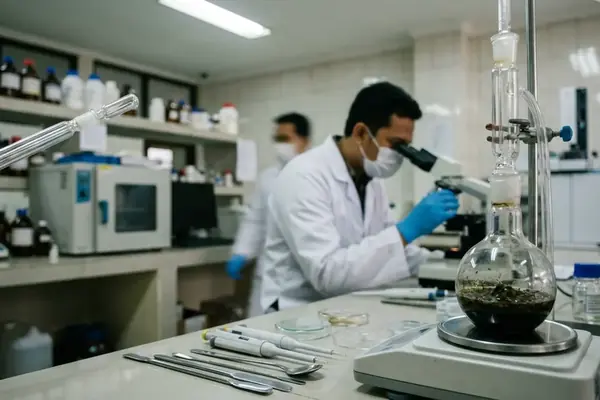
The makeshift field laboratory serves as the staging ground for organizing the expedition's haul. Material bulked across 11 collecting days is sorted into matched voucher–tube lots. Each silica tube is physically paired to its pressed sheet and ecological card. Field taxonomy provides the hypothesis of species boundaries, serving as the scaffold for later sequence tests.
Type designation is held strictly to the international botanical nomenclature codes. Where published LIPI: Indonesian Institute of Sciences expedition logs detail similar workflows, the synergy between disciplines becomes clear. Lab detection of cryptic taxa stays provisional until fresh field re-collections confirm the original ecological or structural separators. This rigorous pairing prevents cryptic species from being misidentified in the lab due to missing subtle ecological differences.
Day 15: Final Departure and the Field Botanist's Mandate
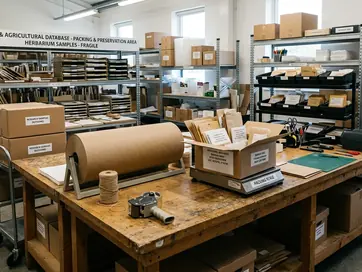
Paired presses and silica tubes are staged for the multi-day overland-plus-air return. Final packing keeps every herbarium press and its corresponding silica tubes under one guaranteed chain-of-custody log. The receiving institute accessions the morphology and genome as a single submission unit.
The jungle cannot be fully understood through a pipette alone. Institutions must mandate comprehensive morphological field vouchers and detailed ecological metadata alongside every genomic submission to global databases.