Abstract and Introduction to Curcuma Taxonomy
The Zingiberaceae family encompasses a vast array of ecologically and economically significant taxa across Southeast Asia. Within this family, the genus Curcuma presents a particularly complex distribution of edible rhizome-producing species. Precise taxonomic classification forms the basis of agricultural development, ethnobotanical documentation, and commercial utilization. Without accurate identification, efforts to cultivate or process these plants frequently falter.
This analysis resolves persistent taxonomic ambiguities among edible Curcuma species. By integrating historical context with modern molecular and morphological data, a working framework for species delimitation emerges. The scope of this evaluation focuses strictly on rhizome-producing taxa utilized in human consumption and traditional agriculture.
Taxonomic History and Nomenclature Challenges
Early botanical explorations in the Indo-Malayan region established the foundational classification of Curcuma. These initial efforts relied exclusively on morphological characteristics. Such reliance led to extensive synonymy and historical misidentifications that persist in contemporary literature.
Vernacular nomenclature complicates this issue. Local naming conventions rarely align with strict botanical boundaries. For instance, vernacular names shift meaning across adjacent districts in northern Malaysia, rendering local terminology unreliable for scientific or commercial standardization.
The gap between traditional naming conventions and rigorous botanical taxonomy necessitated a shift in methodology. Modern classification systems now integrate morphological observations with molecular phylogenetics to resolve these historical discrepancies.
Methodology: Morphological and Molecular Analysis
Initial hypotheses posited that morphological clustering alone could resolve species boundaries within hybrid zones. Experimental data indicates this approach is insufficient. Consequently, decisions on species delimitation prioritized integrated morphological-molecular data.
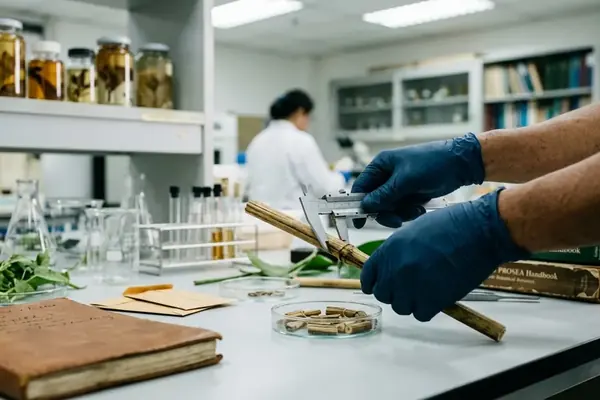
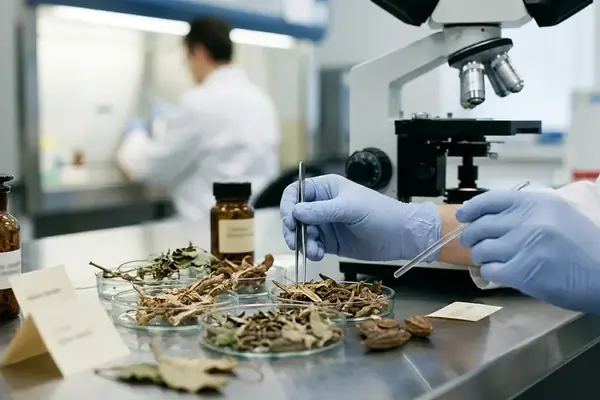
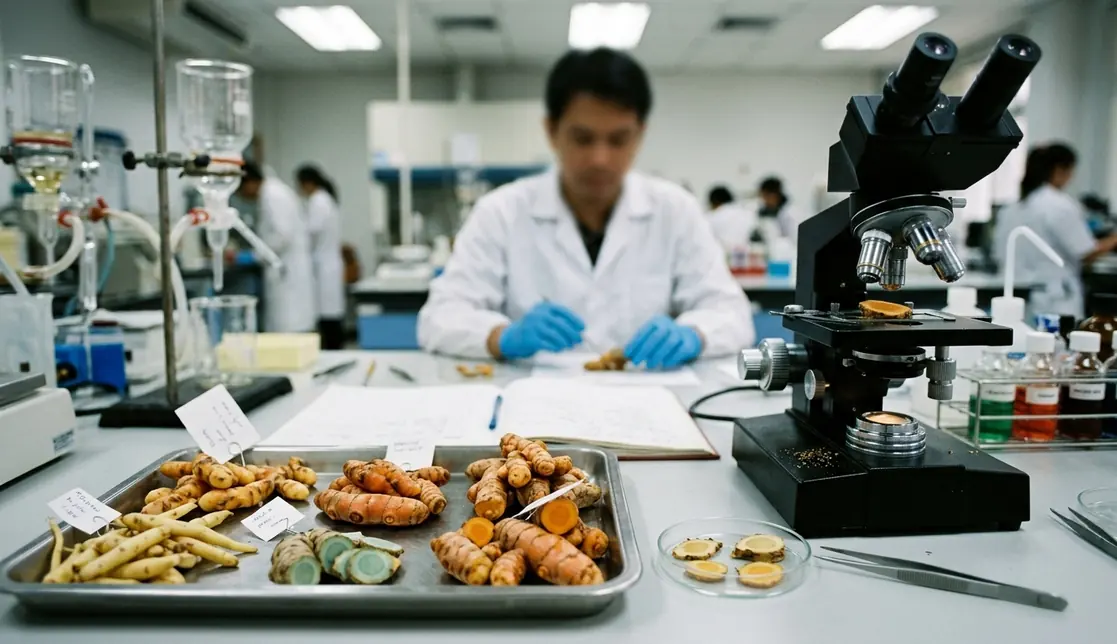
Sampling occurred across 12 sites in Indonesia and Thailand between 2017 and 2022. Comparative analysis drew from 340 herbarium specimens housed at the Bogor and Singapore repositories. This extensive specimen review was facilitated by an ongoing research collaboration with LIPI (Indonesian Institute of Sciences). Morphological characterization focused on rhizome architecture, internal color, and inflorescence structure. Molecular phylogenetics utilized DNA barcoding of the ITS and trnK regions to establish baseline taxonomic data.
While this integrated approach clarifies major lineages, high phenotypic plasticity in disturbed habitats limits absolute diagnostic certainty.
Risk Factor: Diagnostic keys developed from this methodology require mature inflorescences, which are present only during the monsoon season.
Key Findings: Species Delimitation and Diagnostic Keys
Combined morphological and molecular evidence successfully resolved previously conflated species complexes. Clear delimitation criteria now exist for major edible species, including C. longa, C. zedoaria, and C. mangga.
Dichotomous diagnostic keys were developed to facilitate both field identification and laboratory verification. These keys provide a practical method for distinguishing closely related taxa. The interpretation of this data confirms that integrated evidence is necessary to separate morphologically cryptic species.
How these diagnostic criteria will perform across un-sampled microclimates remains an open question for future field studies.
Economic Botany and Agricultural Applications
Southeast Asian diets heavily utilize edible Curcuma species, necessitating thorough ethnobotanical documentation. Accurate taxonomic identification correlates directly with optimized agricultural cultivation practices. Case studies of commercial value chains demonstrate the economic reliance on specific, verified Curcuma taxa.
Severe misidentification in the commercial turmeric trade occurs when rhizome color alone is used as the primary identifier. This practice compromises product integrity and agricultural yields. Certified taxonomic verification protocols protect these agricultural investments.
Critical Insight: Standardizing identification protocols across the supply chain prevents the adulteration of high-value Curcuma crops.
Chemotaxonomy and Phytochemical Profiling
Single-locus DNA barcoding frequently fails to distinguish closely related accessions. Laboratory comparisons indicated that single-locus barcoding left several C. mangga accessions unresolved.
To bridge this gap, essential oil and curcuminoid profiling was selected as a secondary taxonomic marker. Extractions followed a 48-hour hydrodistillation protocol on fresh rhizomes collected at 8-10 months post-planting. This phytochemical profiling establishes a direct relationship between genetic classification and the nutritional or medicinal efficacy of the rhizomes.
Standardizing these extraction methods provides a strong secondary verification tool for complex taxonomic cases.
Limitations and Persistent Taxonomic Ambiguities
The genus Curcuma exhibits frequent natural hybridization, polyploidy, and high phenotypic plasticity. These factors generate persistent taxonomic ambiguities that resist standard classification efforts.
Current molecular databases suffer from incomplete reference sequences, particularly for rare endemic taxa. Database gaps remain for taxa from eastern Timor-Leste, restricting the universal application of the proposed diagnostic keys. Geographic sampling biases further complicate the establishment of a broad phylogeny.
Recommendation: Researchers should cross-reference field samples with the Plants of the World Online taxonomic database to identify potential regional anomalies.
Conservation Status and Future Research Directions
Habitat loss poses a severe threat to wild populations of endemic edible Curcuma species. Establishing broad germplasm repositories across Southeast Asia is imperative to preserve this genetic diversity.
Historical funding initiatives—such as the multi-decade biodiversity grants from the Netherlands Ministry of Foreign Affairs, have underscored the global importance of this conservation effort. Future research must prioritize multi-locus sequencing projects to further refine the phylogeny of the genus.
Guaranteed funding for these repositories will ensure the long-term viability of both wild relatives and cultivated varieties.