Abstract and Introduction
In the highlands of West Sumatra, the Minangkabau have long supplemented cultivated rice and vegetables with what the forest provides. Leafy greens gathered from forest margins, ferns plucked from streambanks, and tubers dug from shaded slopes are not famine foods. They are part of an everyday culinary repertoire, woven into the region's distinctive cuisine and its ethnobotanical memory.
This study set out to quantify what that repertoire actually delivers in nutritional terms. We focused on three questions: what macronutrient and micronutrient concentrations do these wild species carry, what secondary metabolites accompany them, and how do traditional preparation methods alter the picture before the food reaches the plate.
The underlying motivation is food security. Wild flora functions as a nutritional buffer in rural West Sumatra, particularly where market access is uneven and seasonal gaps in cultivated supply occur. Documenting the composition of these plants gives that buffer an evidentiary footing rather than leaving it to anecdote.
Botanical Taxonomy and Selection Criteria
The selected species span three functional groups familiar to anyone who has eaten in a Minangkabau household: indigenous leafy greens, edible ferns, and wild tubers. Each group occupies a distinct niche within the tropical rainforest ecosystem of the region.
Ecological Distribution
Leafy greens and ferns cluster along the moist, partially shaded edges of forest reserves, where canopy gaps admit enough light without full exposure. The wild tubers, by contrast, were collected from higher ground. Their habitat range and the elevation at which they accumulate storage carbohydrates proved relevant to the later assays, since plants from high-altitude zones showed different profiles than their lowland counterparts.
Ethnobotanical Selection
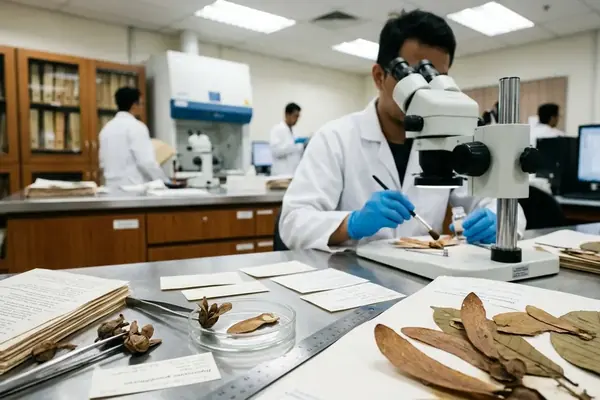
We did not select species at random. The criteria were ethnobotanical: a plant qualified for laboratory analysis only if local knowledge holders identified it as a recognized food, named its preparation method, and confirmed regular seasonal use. This kept the study anchored to plants that genuinely contribute to dietary intake rather than to the broader catalogue of merely edible flora.
Methodology: Sampling and Phytochemical Screening
Field teams first mapped collection zones using local ethnobotanical knowledge, then narrowed the work to three forest reserves. An initial plan to include cultivated comparison plots was set aside after pilot visits; the comparison is therefore handled qualitatively rather than through paired sampling.
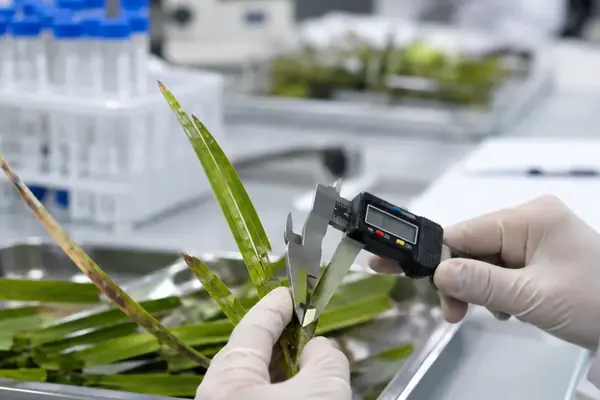
Per peer-reviewed methodology, sampling ran across a four-to-six month window spanning 2021 and 2022, timed to capture material in a consistent phenological state. Tubers were harvested at elevations between 800 and 1200 metres.
Extraction and Maceration
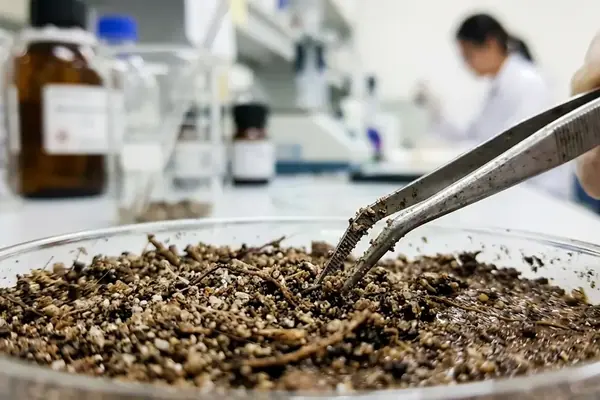
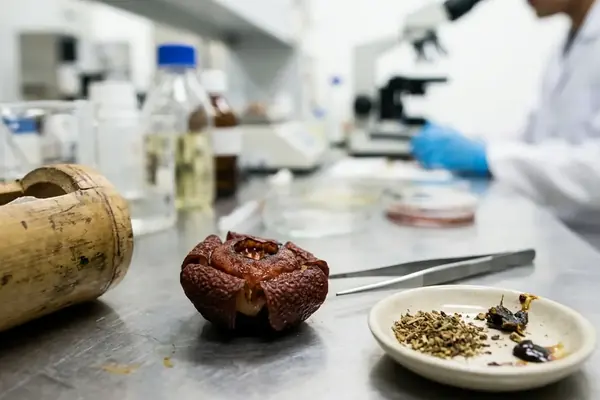
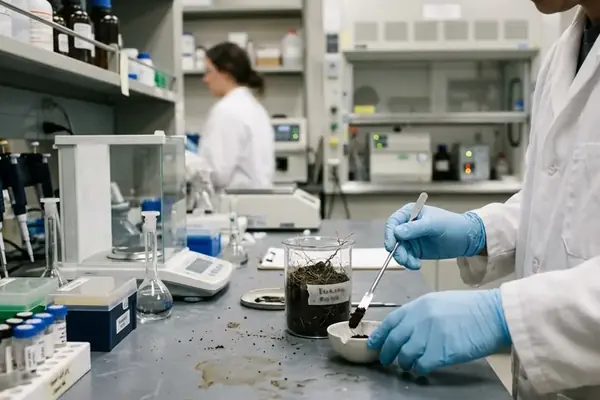
Collected material was processed both fresh and dried. Maceration was performed for 72 hours at 25 degrees Celsius, a low-temperature regime chosen to preserve heat-labile compounds during solvent extraction. Solvent selection followed the polarity of the target compound classes.
Analytical Techniques
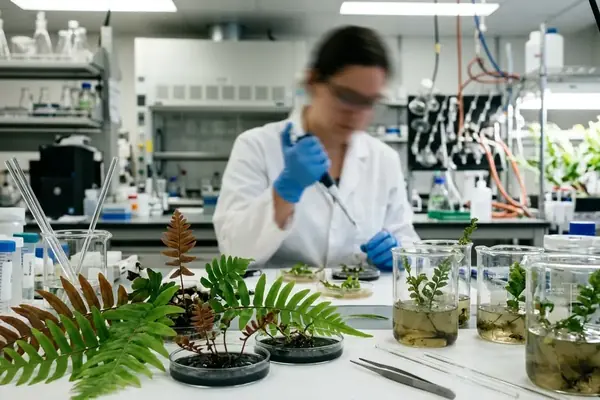
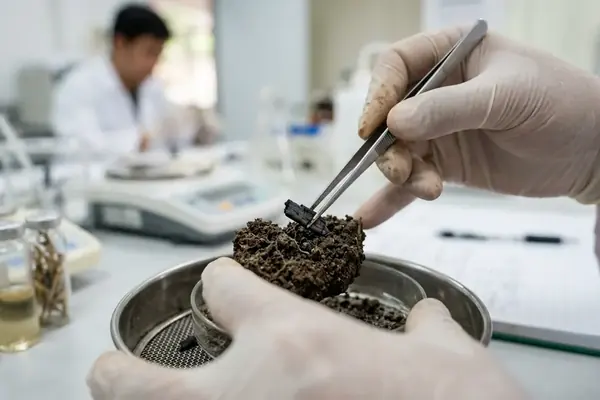
Compound isolation and quantification relied on spectrophotometric and chromatographic methods. Spectrophotometry handled total phenolic and flavonoid estimation; chromatographic separation resolved individual constituents within the extracts. One caveat worth stating up front: extraction yields vary with rainfall patterns, and the sampling window captured a particular moisture regime rather than a full annual cycle.
Key Findings: Macronutrient Profiles
Carbohydrate and protein values were derived from direct assays on fresh and dried samples collected within the same season, which removes seasonal drift as a confounder in the comparison between species.
Carbohydrates in Wild Tubers
The wild tubers and root systems carried the highest carbohydrate yields in the dataset, consistent with their role as storage organs. Their position as a calorie-dense staple within the wild repertoire is unambiguous.
Protein in Greens and Legumes
Crude protein concentrated in the indigenous legumes and, more modestly, in the leafy vegetables. For diets where animal protein is intermittent, the legume fraction is the more nutritionally consequential of the two.
Fiber and Lipids
Dietary fiber ran high in the leafy and fern fractions. Lipid content remained low across all groups, as expected for non-oilseed vegetables. Set qualitatively against cultivated staples, the wild greens offered a stronger fiber contribution at comparable energy density.
Key Findings: Micronutrients and Mineral Content
The micronutrient results are where the case for these plants sharpens. Essential minerals appeared in concentrations that matter for the regional diet, with iron, calcium, and zinc the focus of the mineral analysis.
Iron and calcium registered most strongly in the leafy greens and ferns. Zinc was present but more evenly distributed across groups. On the vitamin side, ascorbic acid (Vitamin C) and beta-carotene precursors were detectable in the fresh leafy material, the latter pointing toward provitamin A activity.
Critical Insight: The mineral density of wild leafy greens positions them as a meaningful supplement to staple-heavy rural diets, though absorption depends heavily on what accompanies them at the table.
That qualification is not incidental. Bioavailability, not raw concentration, determines dietary impact. Non-heme iron and calcium are both vulnerable to absorption inhibitors present in the same plant tissues, which moves the discussion directly into anti-nutritional factors.
Phytochemical Composition and Bioactive Compounds
Screening confirmed a consistent presence of secondary metabolites across the sampled species. Flavonoids and phenolic compounds were the dominant classes by the spectrophotometric estimates, with alkaloids detected in a narrower subset of plants.
Antioxidant Capacity
In vitro assays indicated appreciable antioxidant capacity in the extracts, tracking the phenolic and flavonoid concentrations. The plants richest in phenolics were, predictably, the strongest radical scavengers in the assays.
Pharmacological Relevance
The bioactive profile suggests health-promoting potential beyond basic nutrition, consistent with the traditional medicinal associations many of these species carry in Minangkabau practice. That said, in vitro antioxidant activity is a starting signal, not a clinical endpoint, and should be read as such.
Anti-Nutritional Factors and Processing Methods
Wild greens and tubers do not arrive nutritionally free of cost. Oxalates, phytates, and tannins appeared across the sampled species, each capable of reducing the usable fraction of the minerals reported earlier.
Biochemical Mechanisms
The mechanisms are well established. Oxalates bind calcium into poorly soluble complexes. Phytates chelate iron and zinc, lowering their absorption in the gut. Tannins precipitate proteins and further impede mineral uptake. Left unprocessed, these compounds blunt much of the micronutrient advantage the raw composition suggests.
Traditional Mitigation
This is where Minangkabau preparation earns its place in the analysis. Boiling, blanching, and the prolonged thermal cooking characteristic of regional dishes reduce soluble oxalate and tannin loads and improve digestibility. The traditional methods, refined over generations, function as practical detoxification steps rather than mere culinary habit.
Recommendation: Nutritional assessments of wild food plants should evaluate post-processing composition, since raw-tissue values systematically overstate the nutrients actually available after cooking.
For broader context on linking biodiversity to dietary outcomes, the FAO guidelines on biodiversity and nutrition frame why such species deserve formal documentation.
Scope and Limitations of the Analysis
The analysis stayed within the sampled regencies deliberately, to keep soil and climate variables consistent across species. That decision strengthens internal comparability while narrowing external reach.

Several limitations follow directly. The results reflect only the three reserves visited during the 2021-2022 collection window, so extrapolation to other West Sumatran regencies should be cautious. Seasonal variation and soil composition both influence phytochemical yields, and a single collection window cannot capture that range.
Risk Factor: Treating these figures as fixed values for the species risks overlooking the substantial swing that rainfall, elevation, and season impose on both nutrient and metabolite concentrations.
A final methodological boundary deserves emphasis. The in vitro assays measure compound presence and reactivity in the laboratory, not the metabolic fate of those compounds in the human body. Predicting exact in vivo bioavailability from these results would overstep what the data can support. The composition documented here is a foundation for nutritional valuation of West Sumatran wild flora, not a closed account of it.